This guide explains how to use Epayslips to access government payslip services related to Gov Zm, with a focus on clarity, security, and practical workflows. It outlines what payslip access typically involves, why document authentication matters, and how employees can avoid common login and data-handling mistakes using objective top practices from digital HR operations.
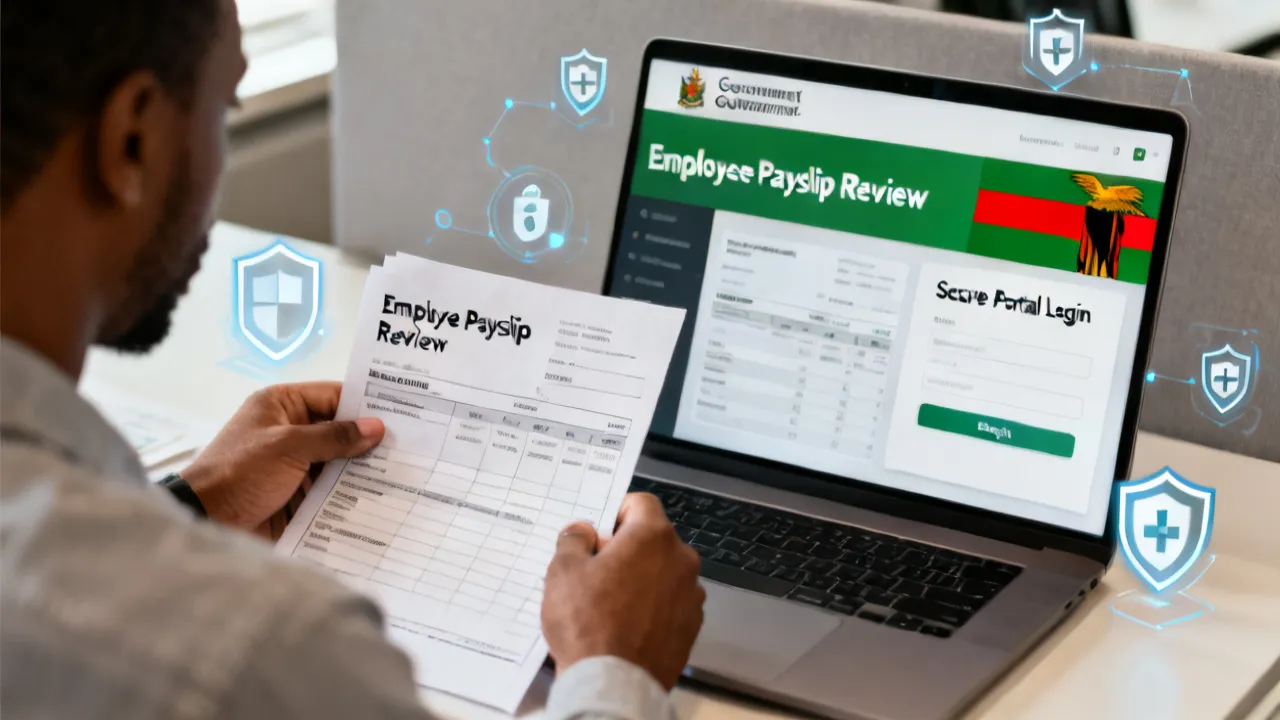
If you’re trying to reach Epayslips >@ Grz Gov Zm services to obtain or verify payslips, the priority is straightforward: use the correct government channel, enter details carefully, and keep document handling secure. Payslip access systems are designed to reduce administrative friction, but they still depend on precise identity matching, reliable authentication, and responsible data storage—especially when the information is tied to payroll records.
In practice, “secure and accurate access” means more than simply getting into a portal. It means ensuring you are using the official environment for Zambia government payroll e-payslips, that your employee identity is aligned with what payroll systems hold, and that you treat the downloaded or viewed payslip as confidential payroll documentation. It also means you should avoid trial-and-error behaviors that can trigger account lockouts or create audit trails that look suspicious. When you follow a disciplined workflow, you reduce delays, prevent accidental disclosure on shared devices, and improve the chance that any correction requests to HR are handled quickly.
The keyword phrase Epayslips >@ Grz Gov Zm points to an electronic payslip workflow connected to a government payroll environment (commonly interpreted as “ePayslips for GRZ / Gov Zm”). In operational terms, the service typically supports one or more of the following actions:
Because the exact URL endpoints and interface design can vary by implementation, the objective approach is to confirm that you are using the official government-operated portal or authorized HR platform. Treat “Epayslips” access as a sensitive identity and payroll matter—no matter how simple the login screen looks.
In many public-sector contexts, employees may hear variations of the same idea in everyday language—such as “checking e-payslips,” “viewing payroll,” or “downloading payslips online.” Those phrases generally describe the same core workflow: retrieve an official payslip document for a specific pay period through a controlled system.
It’s important to understand what these systems are designed to do. An e-payslip portal often acts like a document vault linked to payroll calculations. That linkage means the portal is only as correct as the payroll records and identity attributes it uses. If an employee’s ID, staff number, or personal fields have changed but HR hasn’t synchronized updates, the portal may not show the payslip—even if the payslip exists in the payroll database.
Payslips contain personally identifiable information (PII) and payroll-related financial data. From an industry and compliance perspective, the risk profile includes identity fraud, document tampering attempts, and unauthorized disclosure. In very public-sector HR governance frameworks, secure handling is expected not only for confidentiality but also for auditability.
For employers and government payroll administrators, reliable e-payslip access also supports:
For employees, secure access also reduces practical personal risks. Consider common real-world scenarios: a payslip can be requested for loan processing, rental agreements, or benefit verification; a copy may need to be provided to a spouse or another authorized party; and sometimes staff must share a payslip for HR adjustments. If payslips are stored in insecure locations (for example, email inboxes with weak access controls or shared cloud folders with broad permissions), the employee may unintentionally expand who can view the payroll data.
That is why “security” should not be treated as a purely technical concept. Security includes:
When you treat the portal as a controlled payroll record retrieval system rather than as a casual website, you align with the security logic behind most modern digital HR deployments.
Very people don’t fail because e-payslip portals are “broken.” They usually face preventable issues related to identity matching, browser settings, or incorrect entry formats. Below are typical friction points, presented as practical operational considerations:
It also helps to consider the operational reality in government offices. Employees may access the portal during limited hours, sometimes through devices shared with colleagues. This environment increases the chance of session contamination (for example, one person’s cached credentials affecting another person’s session). That’s why the “how you browse” aspect can be just as important as the “what you type.”
Another friction point worth noting is the “silent error” problem—cases where the portal returns an error message that is generic, such as “invalid details,” “no payslip found,” or a vague “authentication failed.” In those cases, the underlying issue is commonly one of the following: identity mismatch, wrong payroll period selection, delayed publishing, or incomplete activation.
From the perspective of a digital HR operations specialist, the top approach is to minimize guesswork and maximize repeatability. Think of access as a controlled process:
This workflow is aligned with how enterprise identity and document services typically operate: it reduces both downtime and downstream errors (like saving the wrong file or mishandling the document).
To make this workflow even more reliable, you can build a simple “access checklist” in your own routine. For instance:
This approach improves not only your success rate but also the quality of the information you provide HR, which can reduce back-and-forth corrections.
In everyday public-sector workplaces across nearby regions of Zambia, staff may access portal services during office hours or from shared devices. That reality matters. If your workplace commonly uses shared computers, you should:
If you frequently hear colleagues refer to payslip retrieval as “checking e-payslips” or “viewing payroll,” it’s typically the same underlying idea: you’re retrieving an official HR artifact through a controlled system. In a public-sector context, that distinction—official vs. unofficial sources—has real operational importance.
Another local practical consideration is connectivity behavior. In environments where internet access is intermittent, the most common “download problem” may not be a portal failure; it may be a half-completed download due to connectivity drop. The result can be a corrupted PDF or a blank file. This is why it’s useful to confirm the downloaded document opens correctly and matches the selected period before you rely on it.
Also consider device storage and file visibility. Shared computers may have “Downloads” folders visible to multiple users. If you download on a shared device, it’s best practice to either delete from the device once you have securely stored the file elsewhere or to download to a location that is not shared. If you cannot guarantee that, then avoid downloading and instead verify content first, then request HR assistance on how to securely obtain copies.
Finally, think about personal account privacy. Many employees may have email addresses or phone numbers used as part of identity validation. Those fields should not be shared casually. Do not post screenshots online, and avoid sending payslip images through untrusted groups or unsecured messaging channels.
Legitimate government e-payslip platforms generally include basic reliability practices, such as:
If you encounter inconsistent pages, unexplained redirects, or input forms that ask for unnecessary information, it’s a signal to stop and verify authenticity through official channels.
Reliability isn’t only about the portal “working.” It’s also about predictable user experience. For example, a well-designed e-payslip system typically:
If you see behavior that feels unusual—such as being asked to provide unrelated personal details, or being sent to a payment page unexpectedly—pause and treat it as a security red flag. In most legitimate systems, you should not be asked for unrelated sensitive details beyond what the authorized workflow requires for identity validation.
For e-payslip access tied to Epayslips >@ Grz Gov Zm, the very objective guidance is to avoid assuming costs. In many public-sector deployments, employees do not pay to view their own payroll documents; however, costs can arise indirectly—such as mobile data, airtime for connectivity, or device maintenance.
Because you requested “price information,” the safest expert framing is to treat pricing as context-dependent and verify the relevant fee policy directly from the authorized portal or HR communications. If an official notice indicates a charge, it should be clearly stated with an authorized payment method and transparent terms. If no notice exists, employees should plan around connectivity costs rather than portal “service fees.”
In many cases, confusion about cost arises from impersonators or unofficial “help pages” that claim to unlock access for a fee. That type of request is not part of a legitimate official workflow. If someone asks you to pay to view your own payslip, you should verify through HR before paying anything.
To manage cost practically, you can also optimize your access attempts to reduce repeated data usage. For example:
These steps don’t change the portal’s policy, but they help you avoid unnecessary airtime expenditure.
Your keyword set includes supplier details as an integration requirement, yet the provided text does not name a specific vendor. In professional practice, supplier information for digital HR platforms is usually documented in procurement notices, system acknowledgements, or institutional communications.
When supplier details are shared, they often refer to:
From an expert standpoint, you should only rely on supplier identifiers that appear in official announcements or verified institutional documentation. This protects employees from confusion caused by unofficial “service partners” or promotional pages.
It’s also useful to understand why supplier details might be published at all. Government systems sometimes list suppliers for accountability, procurement transparency, and support ownership. If something breaks, HR and IT need to know which contractor supports the relevant components. However, employees generally do not need to negotiate or contact suppliers directly. In a legitimate process, employees escalate issues to HR, and HR coordinates with the system owner or IT team.
Therefore, if you see “supplier details” included in system pages, your role should be limited to verifying authenticity of the portal and ensuring support channels are official. You should not provide additional personal data to anyone claiming to be a supplier support contact. Instead, request assistance through official HR desks or published government support lines.
Digital payslip systems worldwide tend to follow patterns established in HR technology:
While the exact user journey for Epayslips >@ Grz Gov Zm may differ, these elements explain why certain steps (like period selection and identifier correctness) are central to success.
To expand on how these systems behave behind the scenes, it helps to understand the “identity to document” linkage. In many setups, the process looks like this:
If step 2 fails (identity mismatch), the portal may show “no payslip found.” If step 3 fails (period not published), it may show “not available” or no document for that period. If step 4 fails (document generation issue), it may show a broken download or an error after selecting a period. Understanding this pipeline can help you diagnose the likely cause and avoid wasting time on unrelated troubleshooting.
Below is a practical supplement structured as a comparison table, plus a source note, step-by-step guidance, and conditions/requirements.
| Aspect | Typical ePayslip Portal Approach | What to Check for Epayslips >@ Grz Gov Zm |
|---|---|---|
| Access path | Official portal or authorized HR entry point | Confirm you are using the legitimate government-provided portal associated with the Epayslips >@ Grz Gov Zm service concept |
| Identity match | Employee identifiers must align with HR records | Validate your staff code/employee ID format and ensure HR updates (if any) were processed |
| Document format | Commonly PDF or secure document viewer | Verify the payslip period before downloading; ensure the file opens correctly |
| Security controls | Session management, throttling, and audit logs | If you see repeated errors, pause and retry later rather than rapid attempts |
| Connectivity dependency | Stable internet improves load reliability | Use reliable connectivity; avoid half-download situations |
Source (objective reference framing): The guidance above follows widely adopted principles in identity and document security used in HR and payroll information systems, consistent with public top practices such as ISO/IEC security frameworks and the National Institute of Standards and Technology (NIST) approach to authentication and risk management. For broader context, see NIST digital identity and security guidance (e.g., NIST SP 800 series documents) and general ISO/IEC security standards.
Step-by-step guide (recommended workflow):
Conditions/requirements (what must be true for successful access):
When access doesn’t work, people often repeat the same action without changing the likely underlying cause. Below are practical scenarios that help you narrow the issue quickly while staying within safe and legitimate handling practices.
If you see a login failure message, the top causes are usually:
What to do:
This is usually caused by one of these:
What to do:
This is often due to incomplete download caused by connectivity drop. Less commonly, it can involve a browser incompatibility or a corrupted file generation.
What to do:
Sometimes the portal is accurate, but your expectations may be based on a different payroll cycle, missing allowances you expected, or misunderstandings of deductions timing. However, there are also legitimate cases where payroll data needs correction.
What to do responsibly:
Redirects can happen due to session timeout, browser behavior, or multi-step sign-in flows. But unexpected redirects to unrelated sites can be a security red flag.
What to do:
Once you successfully access a payslip on Epayslips >@ Grz Gov Zm, the next critical responsibility begins: safeguarding the document after retrieval. Many breaches occur not at login, but after the file is downloaded and stored.
Below are practical privacy steps you can follow in real workplace settings:
Also consider retention and disposal. If you no longer need a payslip file on a device (for example, it was downloaded only to verify a loan request), you may wish to delete the file after it has been safely used, following workplace retention rules. However, for official record-keeping, keep copies in a secure personal archive as allowed by HR policy.
Many e-payslip systems depend on deterministic matching between what the portal expects and what payroll holds. If any identifier is off by a small amount, you may experience “no payslip found” even when you are a valid employee.
Common identity matching pitfalls include:
To reduce identity mismatch risks, it’s best practice to use the exact staff code or identifier shown in HR documents. If your staff code includes a specific format—such as leading zeros or a prefix—use it exactly as shown. Avoid improvising or using a nickname.
If you suspect your identity does not match payroll records, do not attempt to “work around” the system by giving incorrect information. Instead, request HR to verify your portal eligibility and update identity data properly.
Since your documents and identity are sensitive, the best HR escalation uses clear, minimal, and actionable information. A good escalation reduces the time HR spends diagnosing.
When reporting issues related to Epayslips >@ Grz Gov Zm, include:
Also include what you already checked, such as “verified staff code,” “used private browsing,” and “retried after one hour.” This helps HR avoid repeating the same troubleshooting and moves faster to identity or system-side resolution.
While employees typically do not manage suppliers directly, supplier information matters indirectly because it clarifies who is responsible for which system components.
When supplier details are published in official contexts, they can help HR coordinate:
For employees, the best practice is to avoid contacting supplier representatives independently unless HR provides official contact channels. This reduces the risk of impersonation and supports a consistent audit trail for support tickets.
Because payroll publishing can happen on schedules, a small routine can make your experience less stressful.
For example:
When you act promptly after payroll publication, HR has a better chance of resolving issues before you need the document urgently (such as for loan processing). This also helps ensure you don’t repeatedly attempt logins during peak times, which can increase the chance of lockouts or temporary throttling.
It typically refers to an electronic payslip access service for a government payroll environment associated with “GRZ / Gov Zm.” In practice, it means a portal or workflow where employees can view or download official payslip documents.
Start with identifier accuracy (employee ID/staff code), then check browser session issues (cached credentials or restrictive settings). If errors persist, contact your HR unit to confirm your records are correctly synchronized with the e-payslip system.
Many systems provide access to multiple payroll periods, but availability depends on configuration and retention rules. After logging in, check the payslip period selector or archive section to confirm what’s available.
Use official HR communications, institutional announcements, or procurement documentation where supplier names may be stated. Avoid relying on third-party pages that may repackage or misrepresent system information related to Epayslips >@ Grz Gov Zm.
Avoid saving passwords, use private browsing, and ensure downloaded files are removed from shared storage once you’ve saved them securely to a personal location or restricted folder. Treat downloaded payslips as confidential payroll documents.
Very ePayslip systems provide a downloadable document format such as PDF. Confirm by opening the document first, then using the download option. If the download fails, retry with stable connectivity and a supported browser.
This can happen if the payroll period has not been published yet, if identity data doesn’t match payroll records, or if your access role isn’t fully activated. Verify the period selection and escalate to HR if your identifiers are correct.
The objective answer depends on the official policy of the implementing government service. Often, viewing one’s own payslip is provided as part of HR administration, while user costs may come from connectivity (data/airtime) or device use. Always confirm any fee policy through authorized communications related to the Epayslips >@ Grz Gov Zm service.
If you suspect the website is not official, stop immediately. Re-open the portal only through a government-verified entry point (such as the HR-provided link). Do not enter credentials on pages that look unfamiliar or ask for unrelated information.
No. You should not share login credentials with colleagues or third parties. Assistance should be requested through HR/IT support channels so that access is managed with accountability and secure procedures.
If you anticipate limited access, download and store necessary payslips securely before travel—provided your workplace and HR policy allows it. When on the move, avoid repeated retries that waste data; if access fails, wait until you have stable connectivity and then retry once.
Accessing Epayslips >@ Grz Gov Zm is top approached like a controlled process: verify the official entry point, ensure your identity details match HR records, select the correct payroll period, and handle the resulting documents responsibly. When something doesn’t align—whether it’s login failures, missing periods, or unexpected payroll values—the very reliable resolution path is HR validation, not repeated guessing. That disciplined workflow protects both the employee experience and the confidentiality expected for payroll information.
By combining secure browsing practices, careful identifier checking, mindful connectivity use, and responsible document storage, you can transform e-payslip access from a source of uncertainty into a predictable service. And when issues occur, a structured escalation to HR—complete with period details and clear descriptions—helps administrators correct issues faster and maintain the integrity of payroll record access for everyone.
Striking the Perfect Balance: Navigating Premiums and Out-of-Pocket Expenses in Senior Insurance Plans

Explore the Tranquil Bliss of Idyllic Rural Retreats

How to Make Lasting Memories at Disneyland Attractions

4rkojvsx Technology: Industry Insights and Buying Guide

Affordable Phones and Plans for Seniors

Affordable Full Mouth Dental Implants Near You

Unlock the Top Kept Secrets to Finding Your Ideal Dentist for Flawless Dental Implant Results!

Discovering Springdale Estates

Unveiling RS Sul Telecom Services


Understanding Joao Clemente Souza Itau Via Pix Code
This guide explains what the identifier “Joao.clemente.de.souza..itau.via.pix.294.629.912.00” typically signals in a payment context, and how to validate it safely. Objectively, the “Pix” ecosystem in Brazil enables fast transfers, but identifiers and merchant references must be checked carefully to prevent misattribution. You’ll also find practical conditions, a comparison table, and FAQs for responsible handling.

Guide to Sourcing Parts with 02380476573
This guide explains how to evaluate and manage sourcing inquiries using the reference number 02380476573, while focusing on responsible supplier selection and transparent purchasing workflows. Background information covers what a sourcing inquiry should include, how supplier traceability matters, and why request clarity reduces delivery and specification risk in the supply chain.

PayPal Unbanked: A Practical Guide for Digital Payments
This guide explains how PayPal Unbanked works for people who may not have a traditional bank account. It provides objective background on the “unbanked” concept and digital payment rails, then breaks down eligibility, setup considerations, and risk controls, so you can make informed choices about account access and everyday purchasing.

Paypal Unbanked: Digital Payments for People Without Banks
Paypal Unbanked options help people manage everyday payments when traditional bank access is limited. This guide explains how “unbanked-friendly” payment flows generally work, what to verify before choosing a provider, and which compliance steps matter. Background covers digital wallet basics, account funding methods, and practical risk controls.
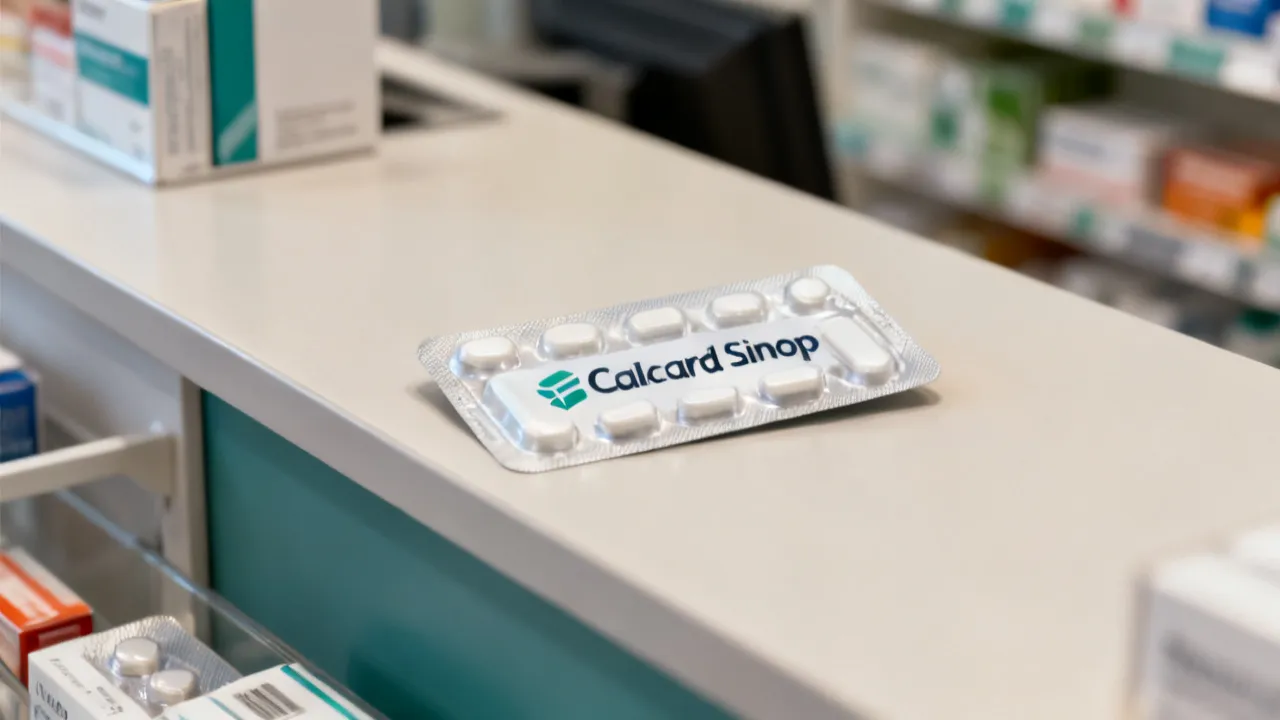
Calcard Sinop: Expert Guide to Use and Sourcing
Calcard Sinop is a medicine-brand reference commonly discussed by people seeking clarity on active ingredients, safe use, and sourcing. This guide explains what “Calcard Sinop” typically relates to in pharmacy practice, how to compare suppliers responsibly, and what conditions matter before purchase or use—grounded in general, objective medicine-safety principles and regulatory expectations.
Understanding Joao Clemente Souza Itau Via Pix Code
This guide explains what the identifier “Joao.clemente.de.souza..itau.via.pix.294.629.912.00” typically signals in a payment context, and how to validate it safely. Objectively, the “Pix” ecosystem in Brazil enables fast transfers, but identifiers and merchant references must be checked carefully to prevent misattribution. You’ll also find practical conditions, a comparison table, and FAQs for responsible handling.